Autumn gathers pace: schools, public finances and nuclear power reshape the agenda
Schools and Italy’s model of integration, public finances ahead of the Budget Law, and the return of nuclear power to the country’s energy strategy. These were the three main issues that shaped the Italian political and economic debate this week, each reaching, albeit on very different fronts, a turning point whose effects are likely to extend well beyond the latest round of political controversy.
Schools dominated the political debate in particular. The Council of Ministers approved a decree introducing, in first-year classes, a 30% cap for pupils who have not yet completed a sufficient educational path within the Italian school system. The criterion therefore does not simply coincide with nationality: in primary schools, it applies to pupils who were not born in Italy or who have not attended at least two years of nursery school, while in secondary schools the benchmark is the successful completion of at least three years within the national education system. Derogations are possible, together with additional resources to strengthen Italian-language teaching in schools where the limit cannot be met. The government presents the measure as a way to prevent the formation of segregated classrooms and to promote integration through language skills; opposition parties and parts of the education sector, by contrast, question both its approach and its effectiveness.
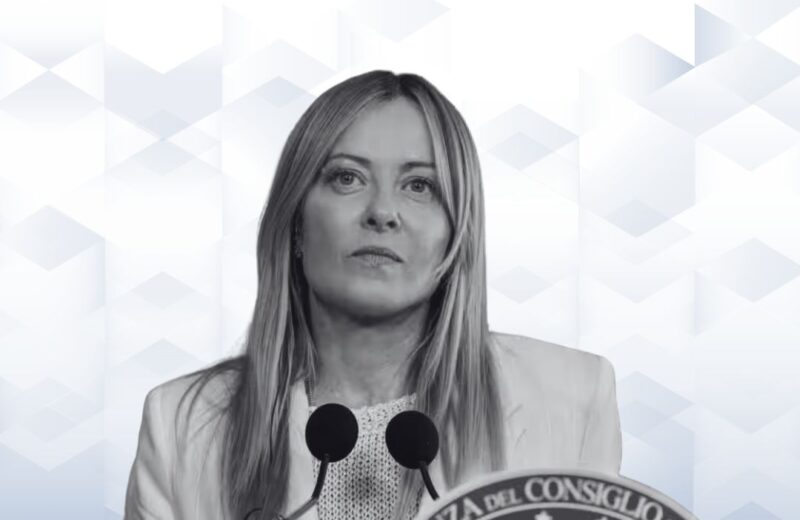
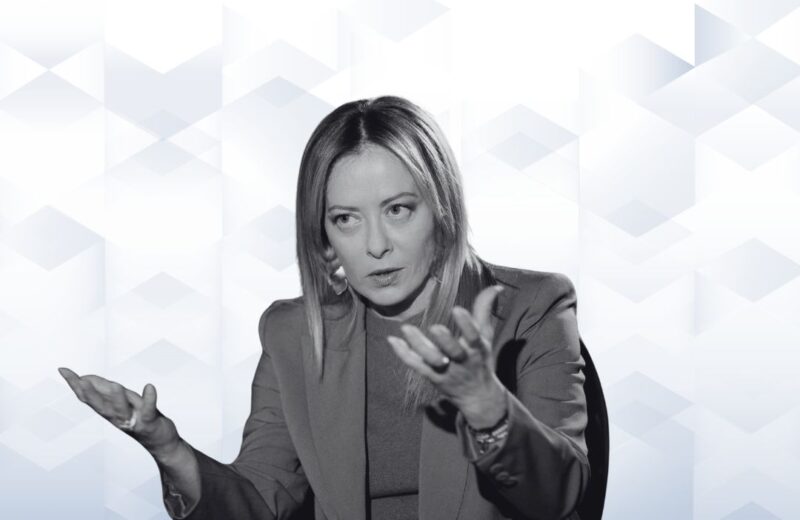
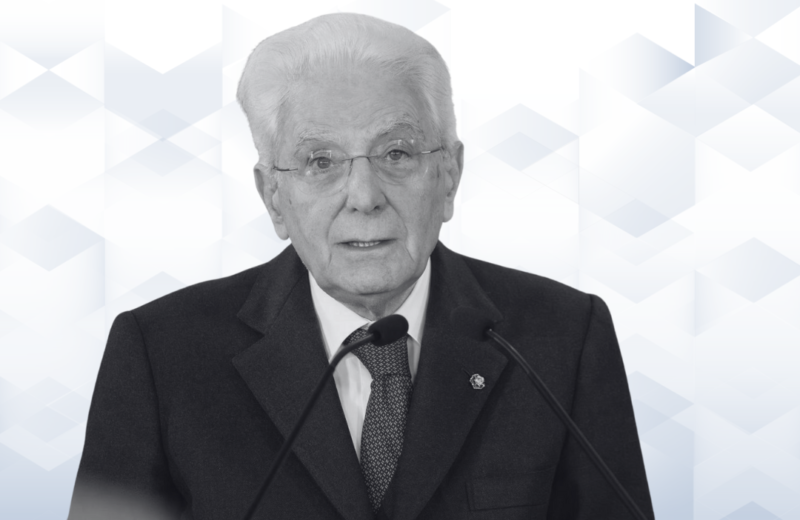
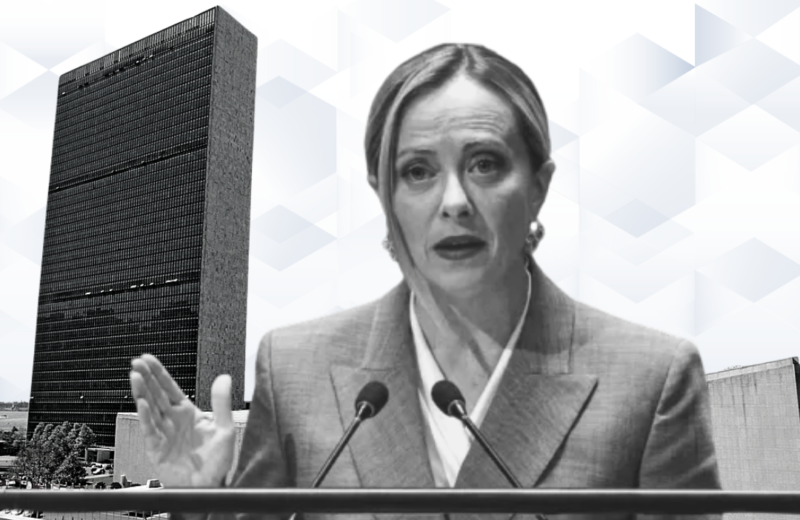
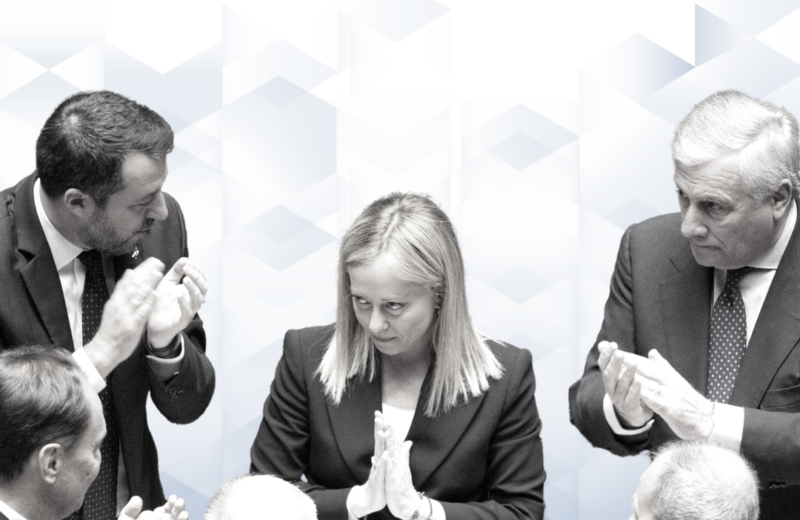
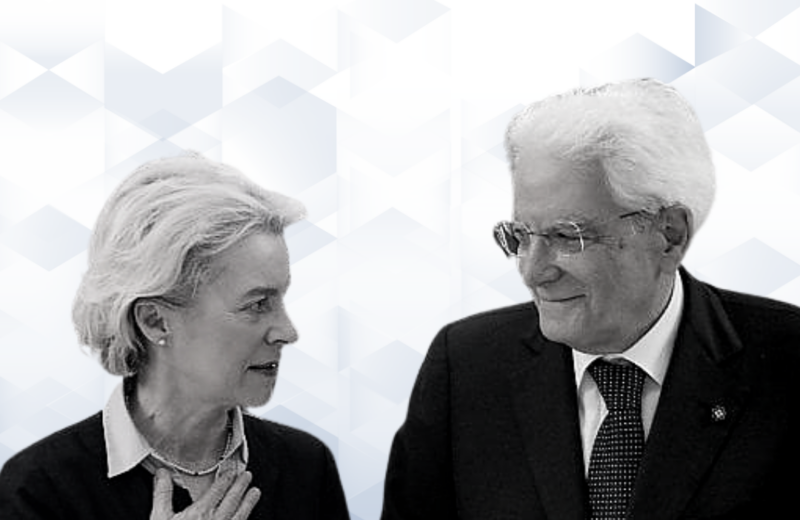
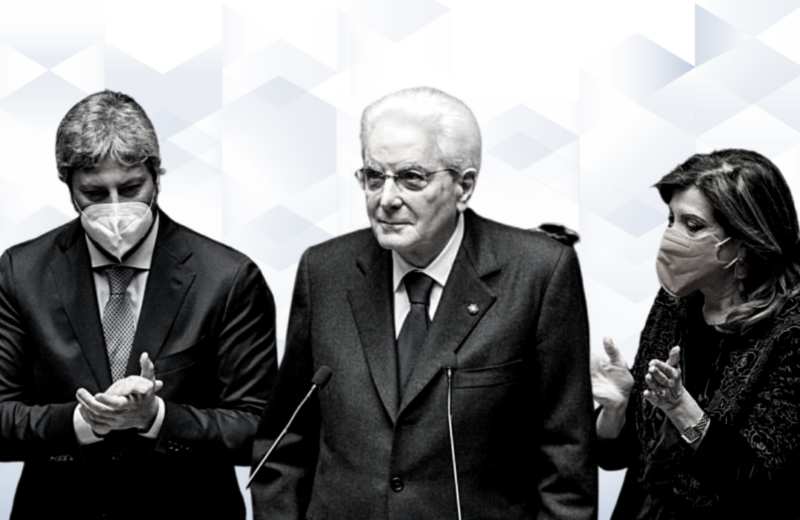
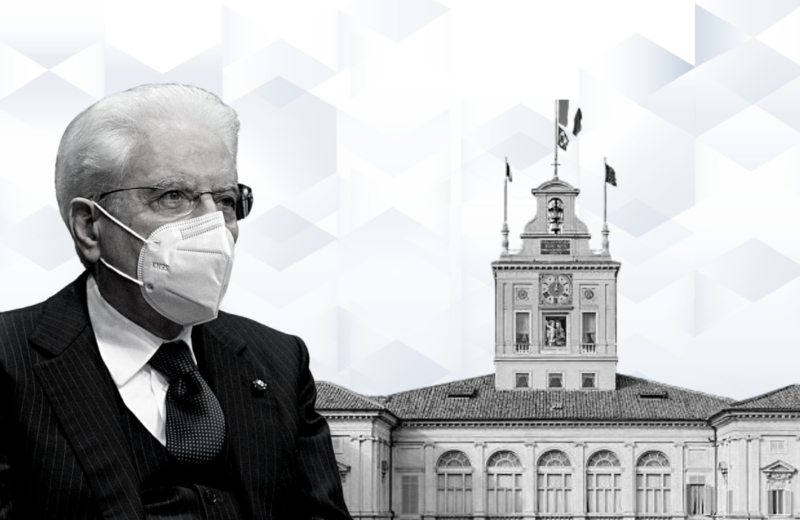
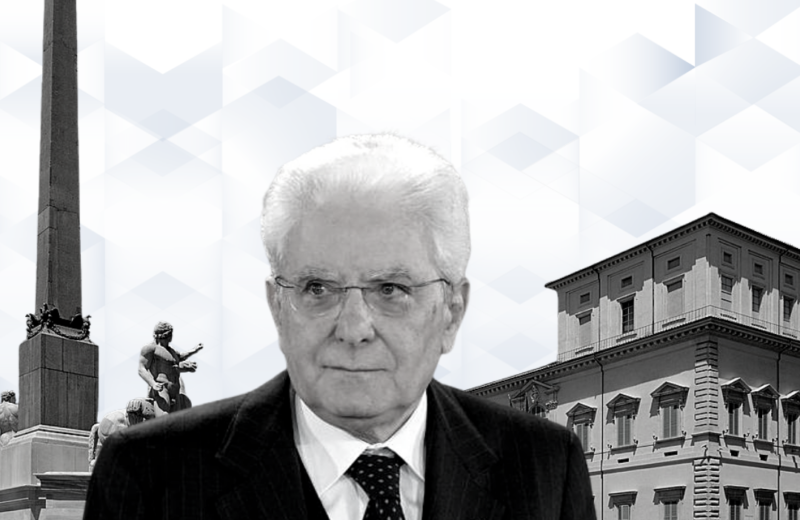
The debate became even more political following remarks by President Sergio Mattarella, who, at the opening of the school year, recalled the constitutional principle of a school system «open to everyone» and described education as one of the country’s main instruments for integration. Prime Minister Giorgia Meloni responded by referring to circulars issued by Mattarella himself when he served as Education Minister between 1989 and 1990, in which schools were encouraged to avoid excessive concentrations of foreign pupils in the same classrooms. The controversy accompanied the debate over the decree for several days, while the government gradually clarified that language proficiency, rather than nationality alone, would be the central criterion.
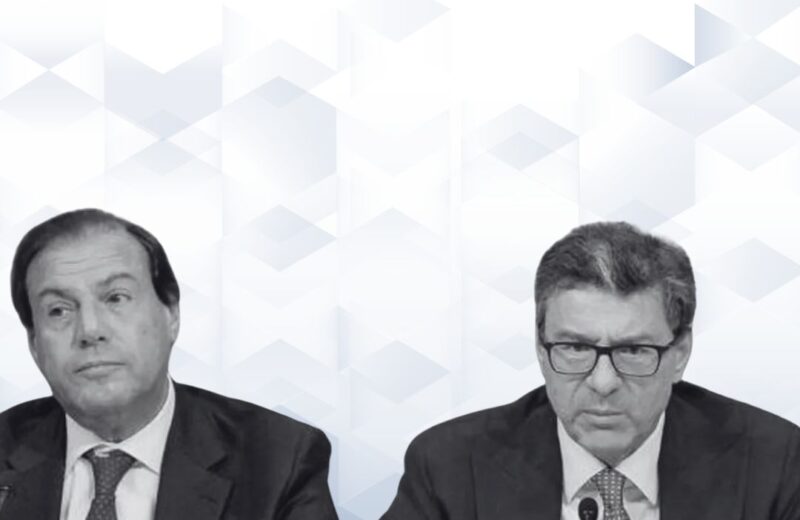
On the economic front, meanwhile, the week brought attention back to the room available for manoeuvre in the next Budget Law. Italy’s deficit-to-GDP ratio for 2025 was confirmed at 3.1%, just above the European 3% threshold, making an early exit from the excessive deficit procedure increasingly difficult. Economy Minister Giancarlo Giorgetti has pointed to 2027 as the horizon for completing the adjustment process, while the governing coalition has reopened the debate over how much room should be given to new measures and over the League’s call for greater fiscal flexibility.
The difficulty is that, at the same time, the list of measures under consideration for the Budget Law continues to expand. A further reduction in personal income tax for middle-income earners remains among the government’s priorities, alongside proposals for a flat tax on wage increases for younger workers, tax relief on contractual pay rises and new measures for commercial rents. Pension policy also remains in the background, with the governing majority having to decide how much room should be allocated to new forms of early-retirement flexibility. The 3.1% deficit figure therefore does not cancel the measures already announced, but it makes the central question facing the Budget Law even more pressing: which measures can actually be financed, and which will have to be postponed.
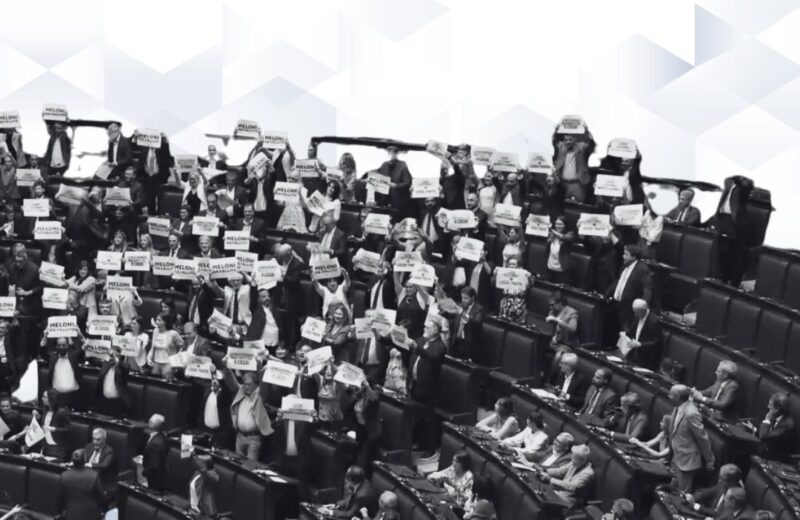
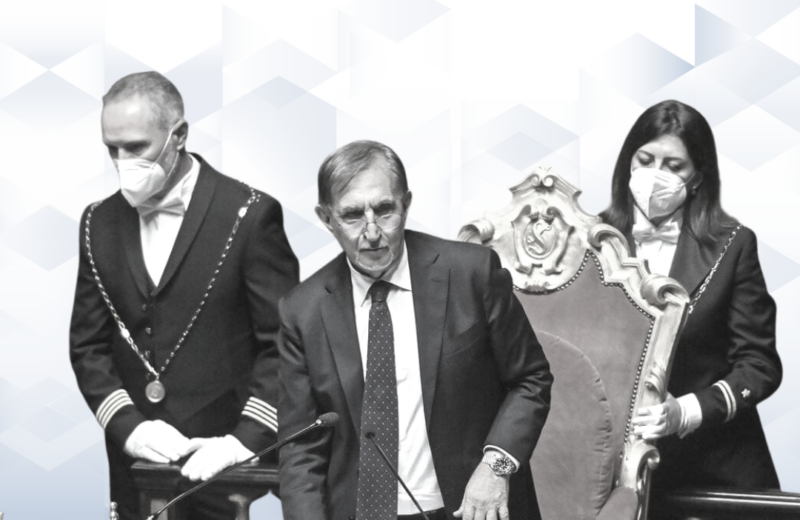
The week also closed with a decision that could reshape Italy’s energy policy over the coming years. The Senate gave final approval to the enabling bill on sustainable nuclear power, with 81 votes in favour, 51 against and seven abstentions, after the legislation had already passed the Chamber of Deputies. Nearly forty years after Italy shut down its nuclear plants following the 1987 referendum, the country is once again establishing a legal framework allowing the government to regulate the construction and operation of plants, safety standards, spent fuel and radioactive waste management, as well as the relevant supervisory authorities.
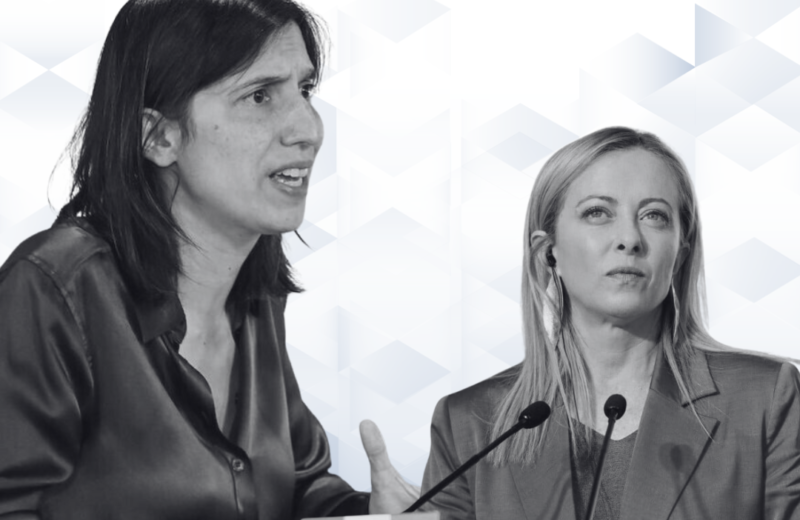
This does not mean that new nuclear plants are imminent. The next stage will depend on implementing decrees and on the technologies ultimately selected, with the government currently focusing above all on small modular reactors. Environment and Energy Security Minister Gilberto Pichetto Fratin has identified 2033-2034, «at best», as a possible horizon for the start of nuclear power generation in Italy. The governing majority sees a return to nuclear energy as a way to strengthen energy security and autonomy while complementing renewables; the Five Star Movement and the Green and Left Alliance, by contrast, challenge the projected costs, timelines and waste-management issues. This week’s vote therefore does not close the debate. Rather, it opens the phase in which the political decision to return to nuclear power will have to be translated into regulations, projects and the practical conditions needed to make it happen.