From the Chamber to the Energy Bill, Meloni’s Line and the Unresolved Energy Challenge
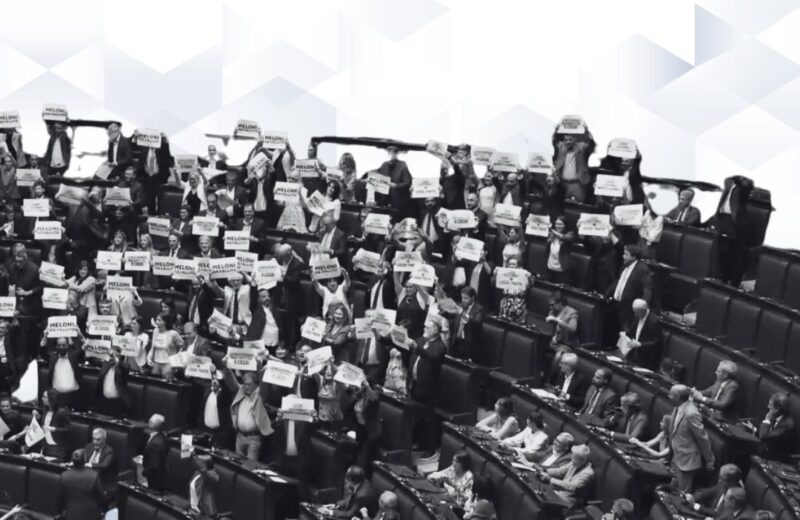
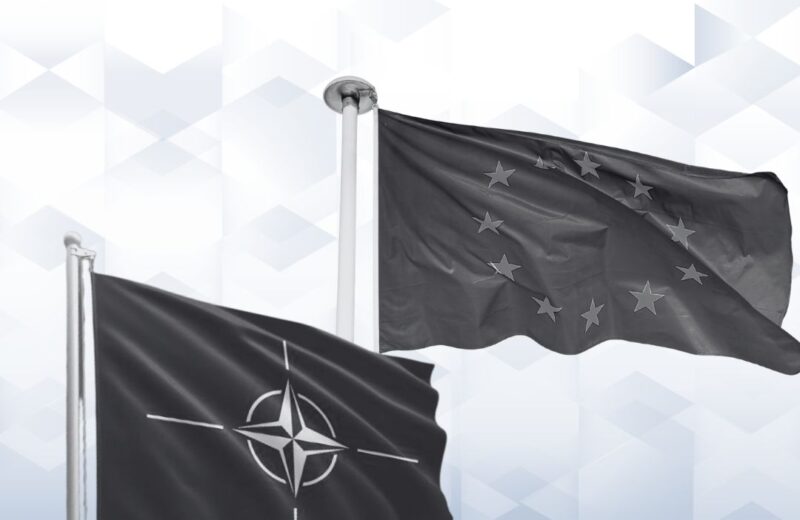
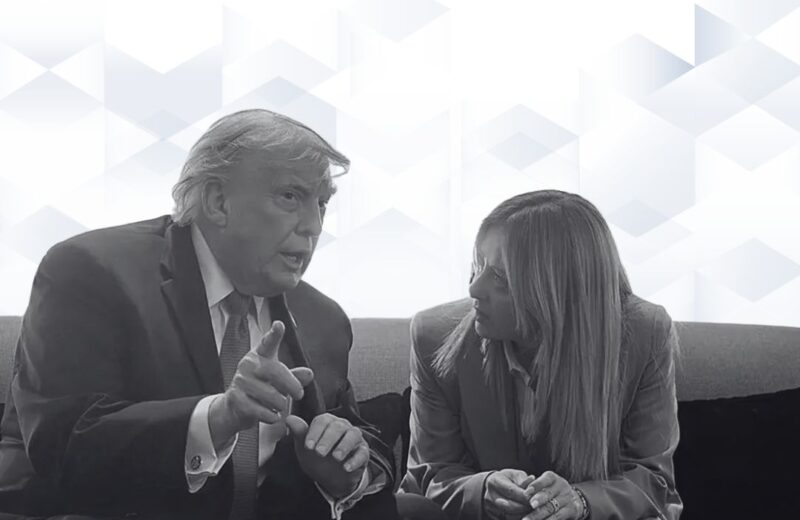
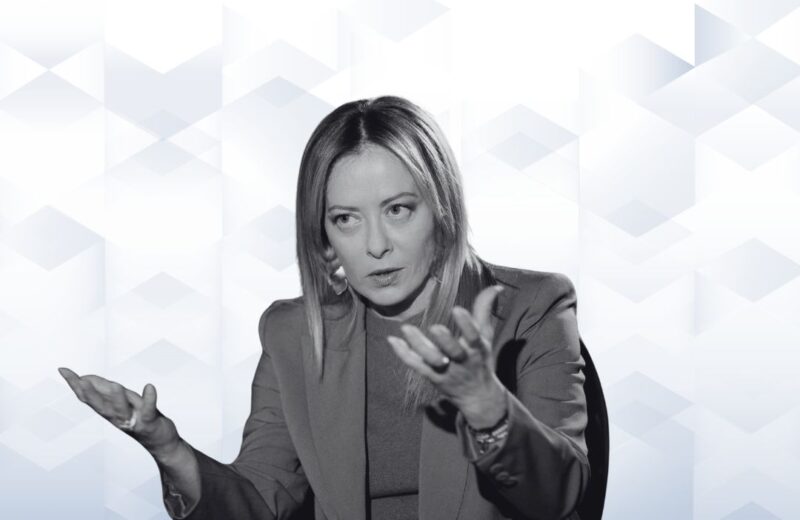
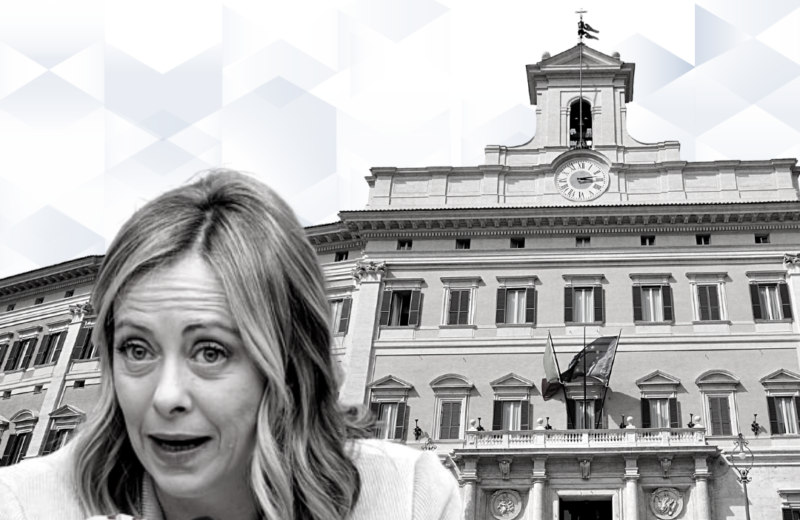
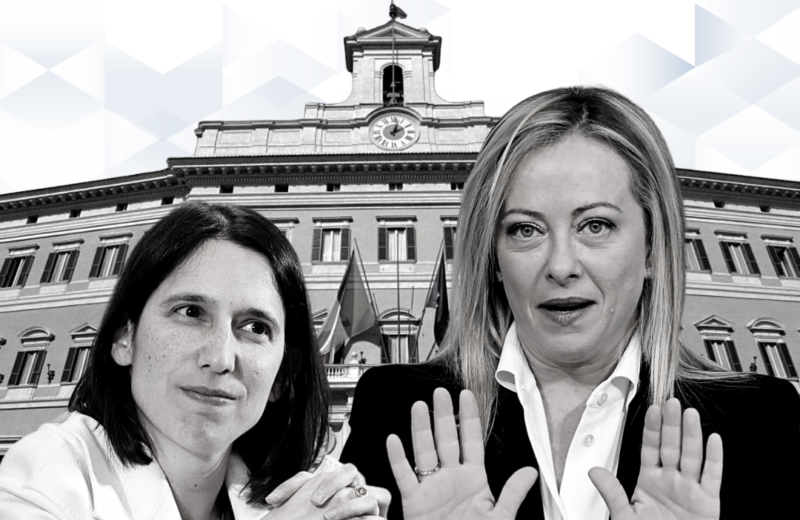
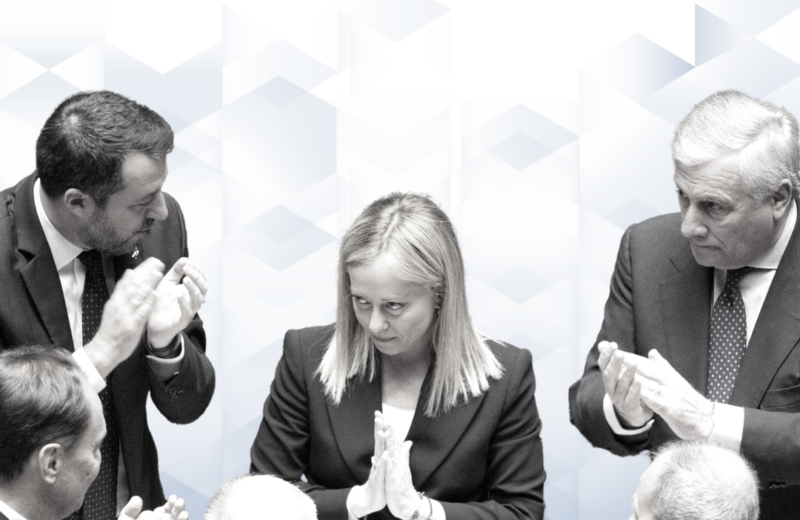
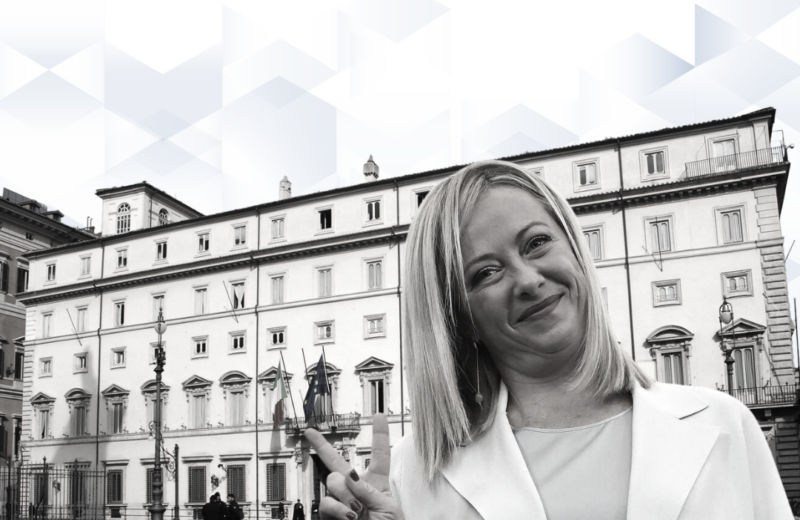
Prime Minister Giorgia Meloni’s address to the Chamber of Deputies comes at a moment when foreign policy and economic policy are no longer distinct domains but increasingly overlap, and not by chance the core of her speech lies in the attempt to reconcile two priorities that now risk pulling in opposite directions: on the one hand, reaffirming Italy’s Euro-Atlantic alignment; on the other, protecting a productive system exposed to a phase of growing market fragmentation. This is not merely a statement of principle, but a recognition of the context in which Italy operates: support for Ukraine, continued commitment within the NATO framework, and the deterioration of global trade shaped by U.S.-China tensions all directly affect the country’s economic structure. When Meloni stresses the need to safeguard industry and exports, she implicitly acknowledges that the current phase is no longer one of open globalization, but of a more selective economy, where supply chains shorten, geopolitical risks intensify, and governments’ room for maneuver narrows.
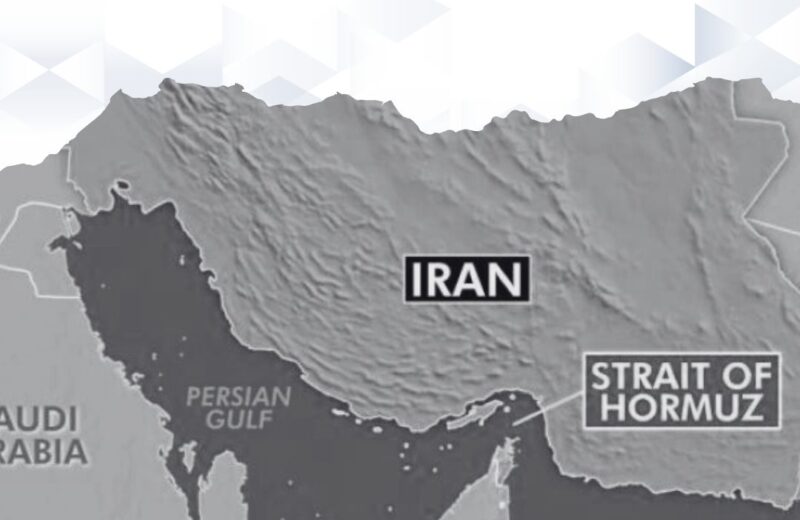
Within this framework, energy emerges as the most immediate point of contact between international positioning and domestic policy. Geopolitical tensions continue to translate into price volatility and market uncertainty, while the national response remains anchored to short-term containment tools such as the fuel decree, aimed at cushioning immediate impacts without addressing structural drivers. This shift is crucial, as it highlights an increasingly visible gap: while the government outlines a clear and coherent stance externally, domestically economic policy remains largely defensive, intervening on effects rather than causes. Energy prices, in fact, continue to be shaped by external dynamics—geopolitical balances, global markets, and European regulatory architecture—limiting national leverage and making any intervention inherently temporary.
The result is a tension running through the entire government agenda: on one side, the need to ensure stability and predictability for households and businesses; on the other, the difficulty of building a strategy capable of reducing systemic vulnerability. In the parliamentary address, this issue appears in the background, particularly in references to strengthening supply chains and advancing European strategic autonomy, yet it remains underdefined in operational terms. This is precisely where the most delicate challenge lies, as the credibility of the line set out in Parliament will depend on its translation into concrete tools capable of supporting the transition without shifting its full cost onto the productive system.
In this sense, the parliamentary step is not just a moment of political guidance, but the starting point of a broader test that will soon move onto the economic terrain, also in view of the upcoming DEF. If the international environment is indeed as outlined by Meloni – more unstable, more competitive, more constraining – then economic policy cannot remain limited to managing emergencies, but must begin to build real margins of autonomy. Otherwise, the risk is that coherence on the external front translates into increasing exposure internally, with a system that continues to chase volatility rather than govern it.