The Beijing axis: power, spectacle, and the reshaping of the geopolitical landscape
In the heart of Beijing, during the ceremony marking the 80th anniversary of the end of World War II, a page of spectacular diplomacy unfolded this week that has symbolically reshaped global balances. On September 2, 2025, the 25th SCO (Shanghai Cooperation Organization) summit brought together the figures of Xi Jinping, Vladimir Putin, and Kim Jong Un under the skies of China’s capital: a moment that, more than anything, conveys to the world the image of a solidified axis between China, Russia, and North Korea. The military parade, massive and technologically advanced, was designed as a show of strength aimed at the domestic public and the global geopolitical stage. The message was clear: technological and military supremacy goes hand in hand with a strategic and ideological repositioning. Xi Jinping seized the occasion to criticize “hegemonism and Cold War mentality,” calling for a more “just and reasonable” multilateralism, where the Global South challenges the Western order.
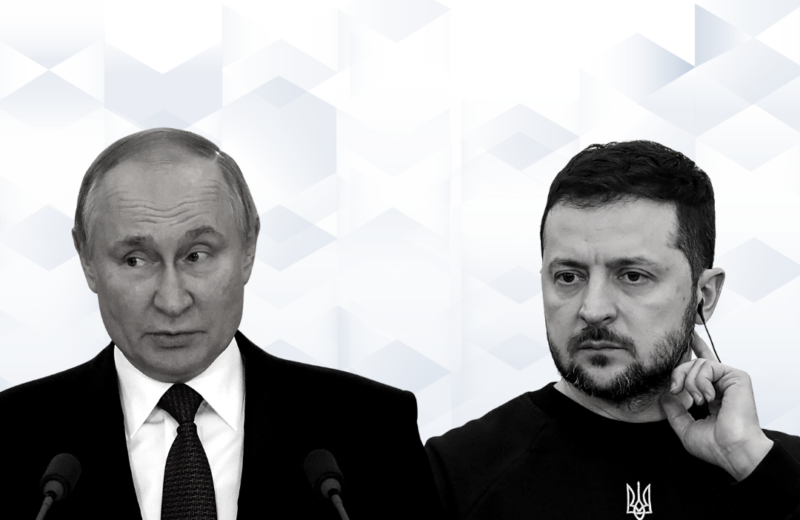
At the bilateral summit, Putin praised Kim with nostalgic but powerful remarks: “Russia and North Korea fight together against modern-day Nazism,” he declared, thanking Pyongyang for its contribution in the war in Ukraine. Kim responded by reaffirming that “if necessary, it will be our fraternal duty to do everything possible to assist you.” Kim’s visit to Beijing – the first in six years – sealed a reconciliation, with Xi calling the friendship between the two nations “unchangeable.” The summit’s agenda focused on strategic agreements: strengthening cooperation – including exchanges between senior officials – and promoting regional and global coordination, with the goal of building an alternative governance to the Western one, and reactions overseas quickly followed. In the United States, President Trump dismissed the summit as an anti-American conspiracy, though he downplayed its significance, stating: “They will never use their military against us.” The Kremlin, through adviser Ushakov, responded by describing such accusations as “ironically exaggerated,” emphasizing that no conspiracy had been planned.
In Italy, the echo of the events is less lively but not absent: Italian diplomacy watches cautiously this “revitalization” of the axis emerging in Asia, aware of the implications for Euro-Atlantic security and energy relations, especially in light of the expansion of Russian supplies to the East. The context, however, is also enriched by military tensions that go beyond the Beijing stage. Reacting to the display of power, the United States, South Korea, and Japan announced the start of the joint exercise “Freedom Edge” on September 15, a clear signal of regional solidarity and deterrence in the face of North Korea’s rise. Behind the parade’s stagecraft and ideological winks lies an audacious attempt to reposition China as the epicenter of an alternative bloc, using anti-imperialist rhetoric to solidify ties with authoritarian regimes. The rhetoric of equitable multilateralism is not new, but this time it is accompanied by symbols of power and concrete – and concerning – pacts on the military and strategic front. The Beijing summit did not create a formal alliance, but it strengthened the image of a cohesive axis, an informal coalition of autocrats united by common goals: countering Western influence, ensuring mutual protection, and building alternative economic networks. This does not necessarily mean a hot war, but a renewed Cold War with new protagonists.