Europe’s new center of gravity runs through Rome and Berlin
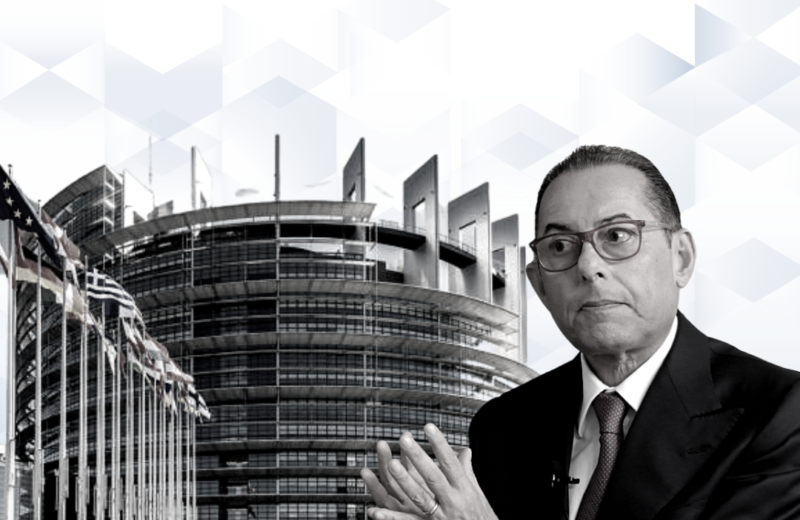
Europe’s political week has unfolded along a curious ridge, suspended between the solemnity of ceremony and the rather blunt realism of geopolitics. On one side, the Winter Olympics in Milan-Cortina; on the other, the quiet reshuffling of continental balances among Rome, Berlin and Brussels, with the 62nd edition of the Munich Security Conference in the background — a reminder, every February, that the world is not a symposium but a field of permanent tensions.
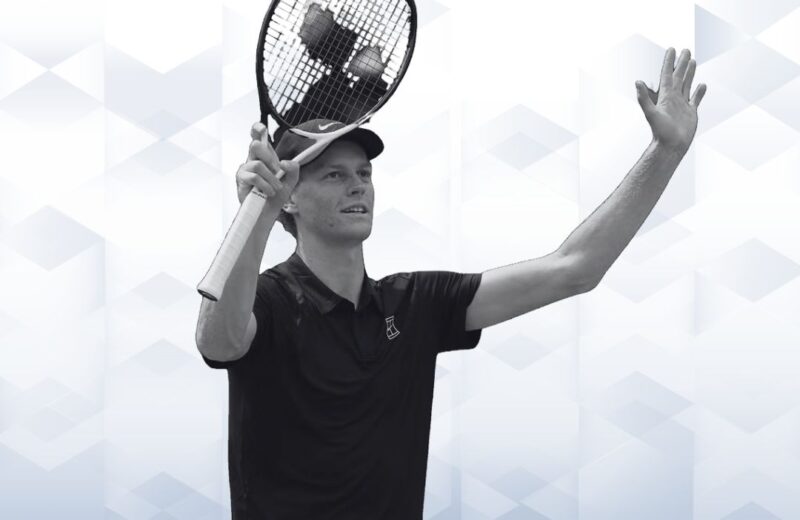
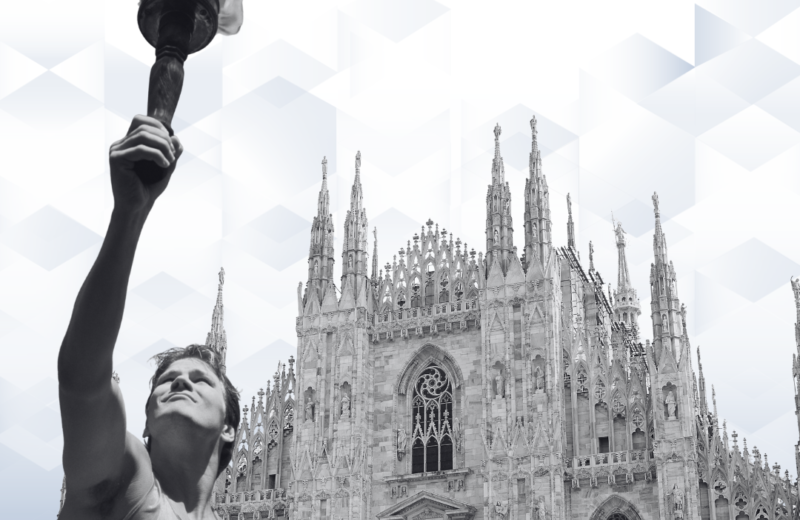
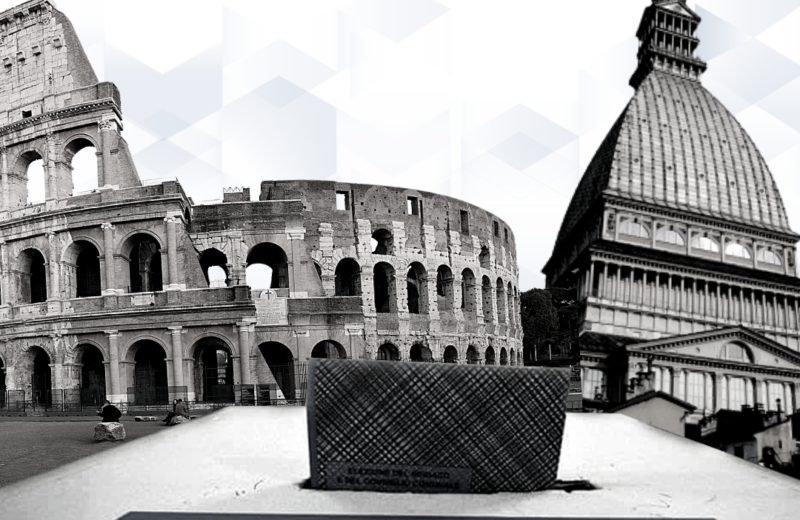
The Olympics offered Italy a brief moment of suspension: for a few days, the country presented itself as a platform for cooperation, a symbolic infrastructure, an orderly showcase. At a time when the public agenda is dominated by wars and fragmentation, the sporting event functioned as a device of collective reassurance. Yet beneath the surface lies the political dimension: major events mean informal diplomacy, sideline meetings, messages conveyed through the sober language of institutional presence. Italy chose to play the card of reliability — and that is no small detail at a moment when Europe is searching for fixed points rather than rhetorical flourishes.
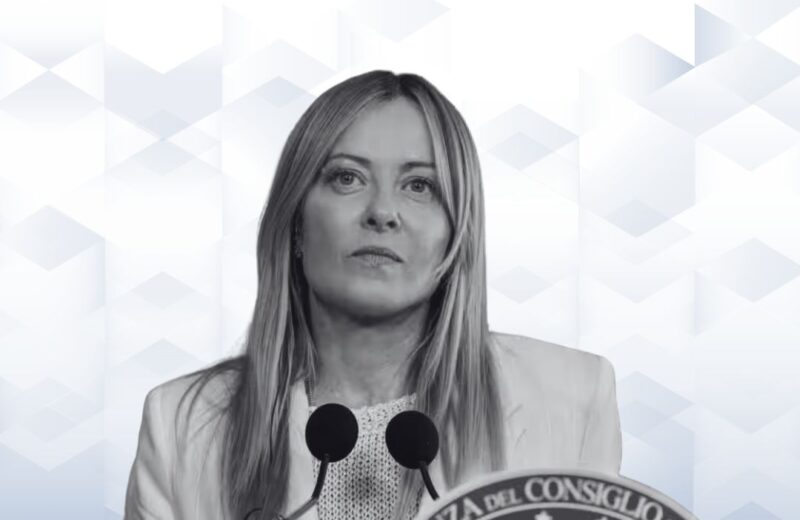
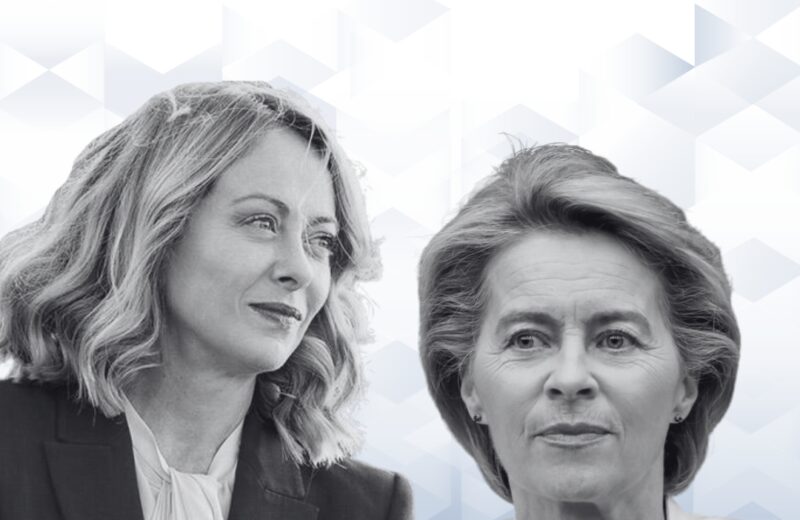
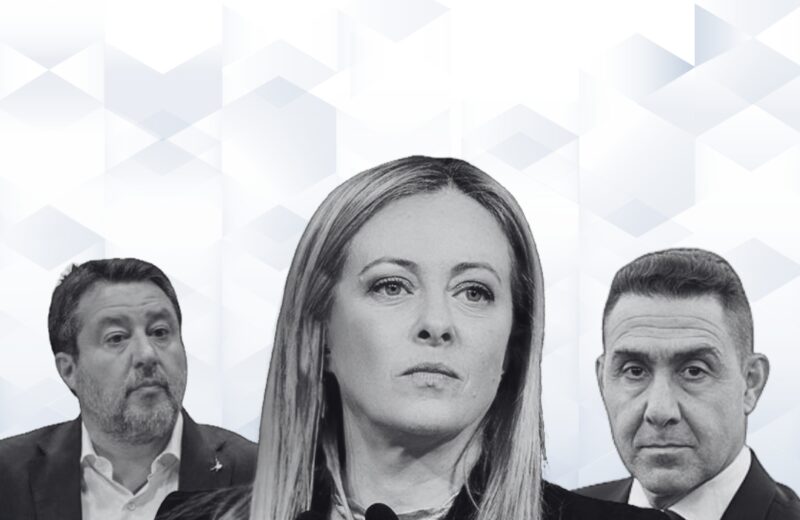
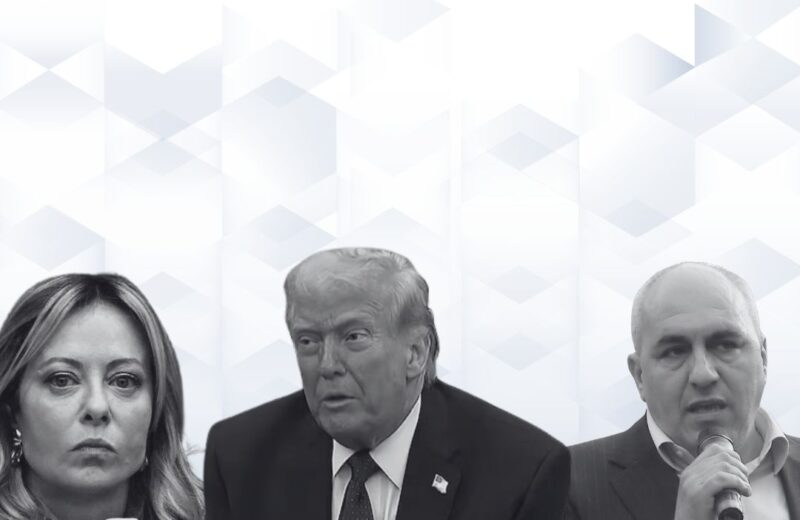
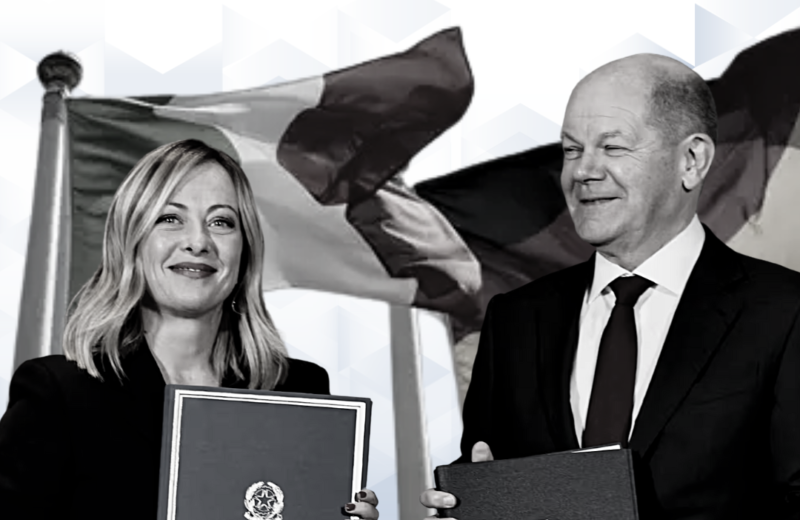
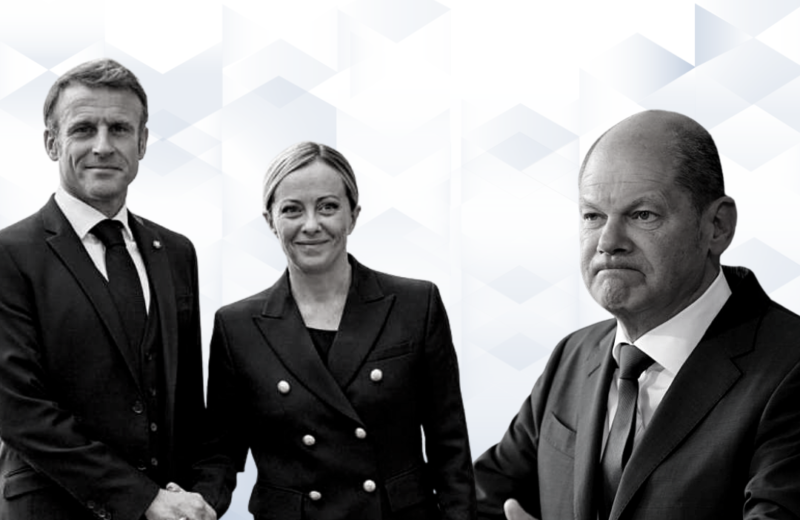
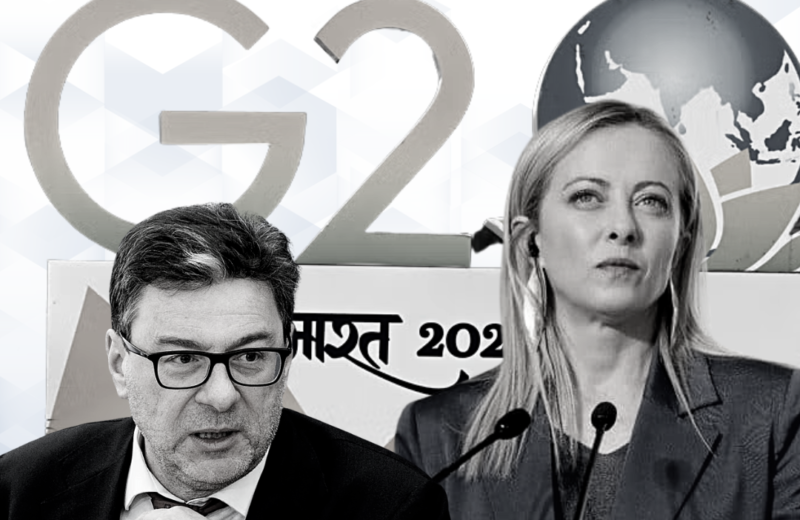
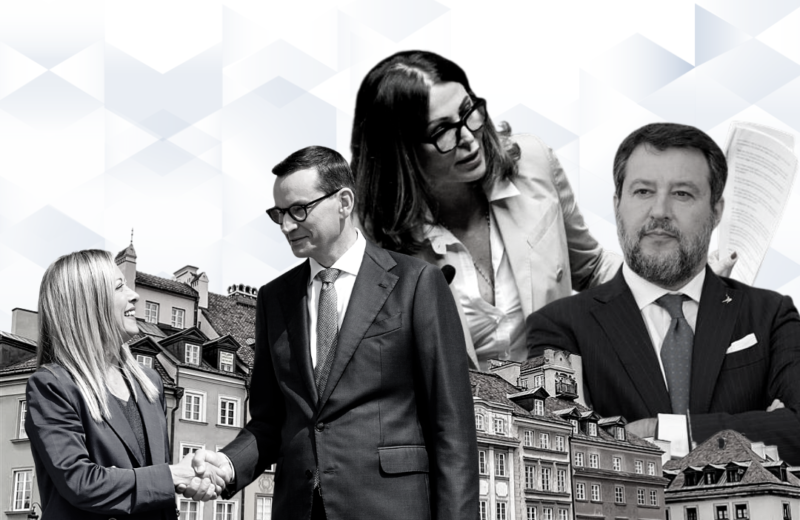
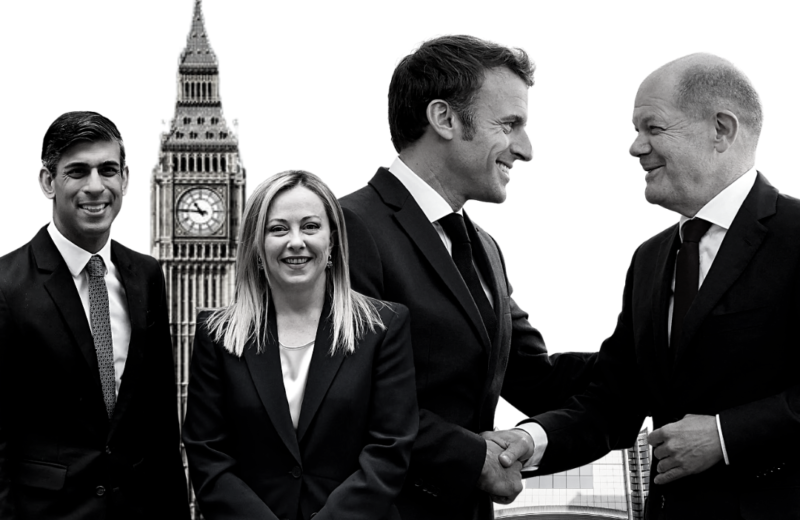
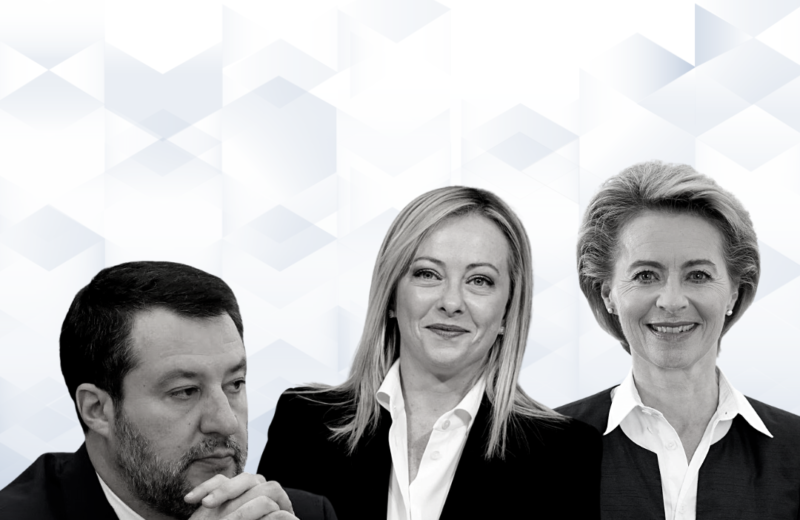
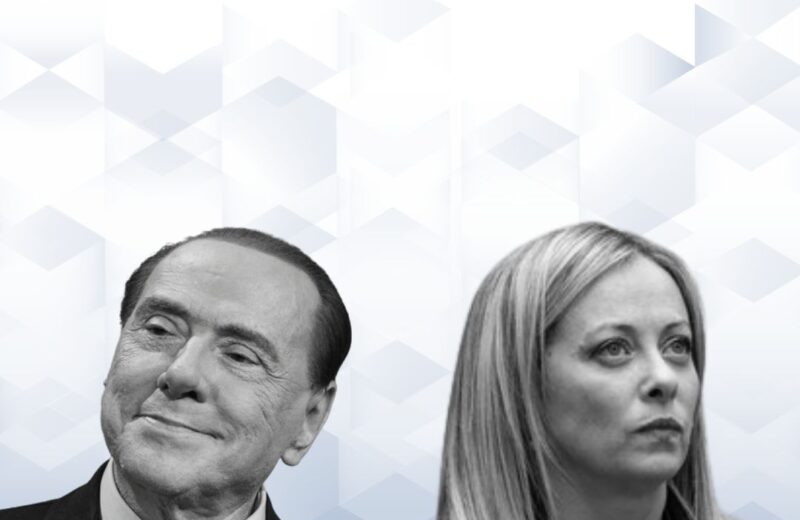
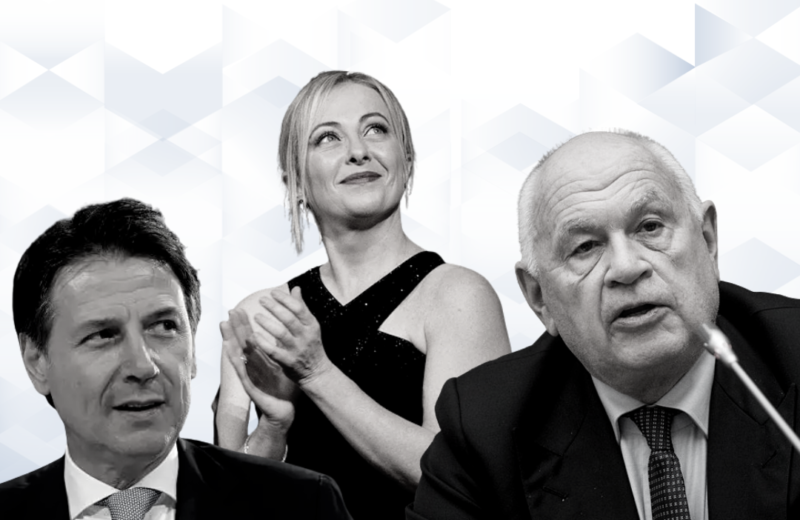
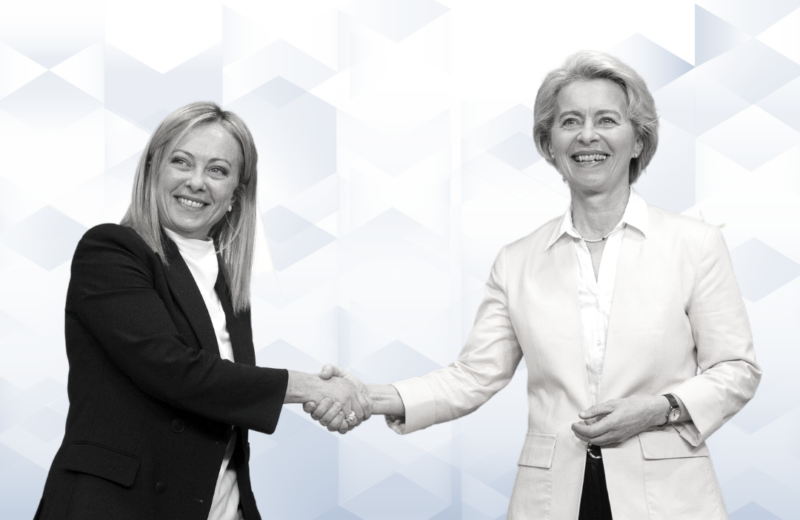
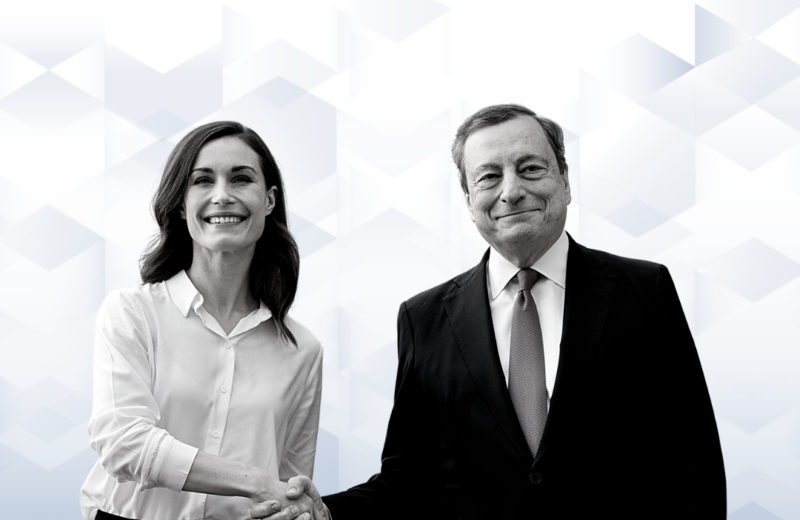
Against this backdrop comes the renewed understanding between Giorgia Meloni and Friedrich Merz, sealed at the summit in Flanders. An axis that only a few months ago might have seemed far-fetched now appears as a pragmatic attempt to recalibrate Europe’s center of gravity. Rome and Berlin share converging interests on competitiveness, the revision of industrial rules and greater strategic flexibility. The difference lies in tone: Germany speaks the language of discipline, Italy that of cooperative sovereignty. But the shared objective is clear — to prevent the Union from being squeezed between Washington and Beijing without a posture of its own.
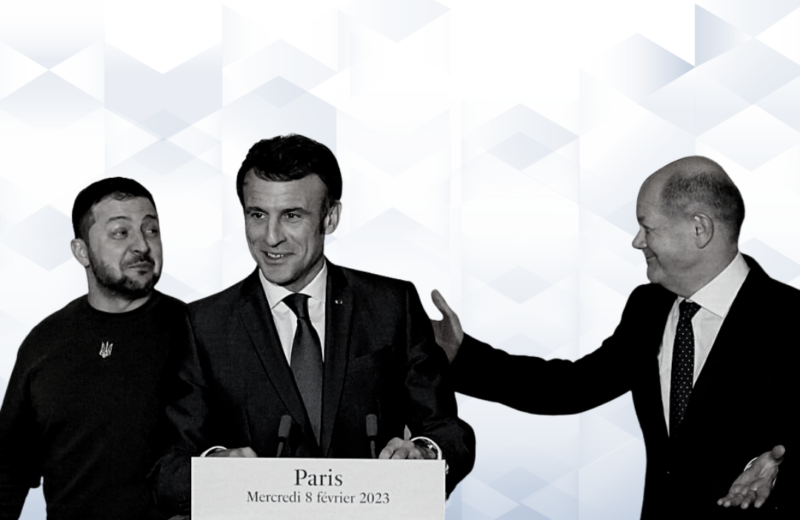
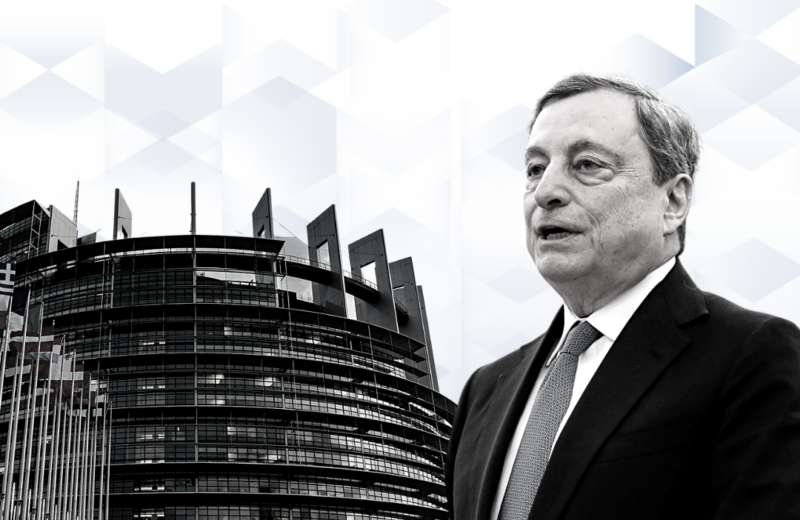
The Flanders summit also carried symbolic weight: shifting the conversation away from the traditional Franco-German axis toward a broader triangulation in which the productive North and the manufacturing South recognize themselves as parts of the same equation. If Europe is to reorganize, it cannot do so solely around old formulas. In this sense, the Meloni-Merz axis is less ideological than it may appear; it is an attempt to build critical mass around concrete dossiers, from common defense to energy policy.
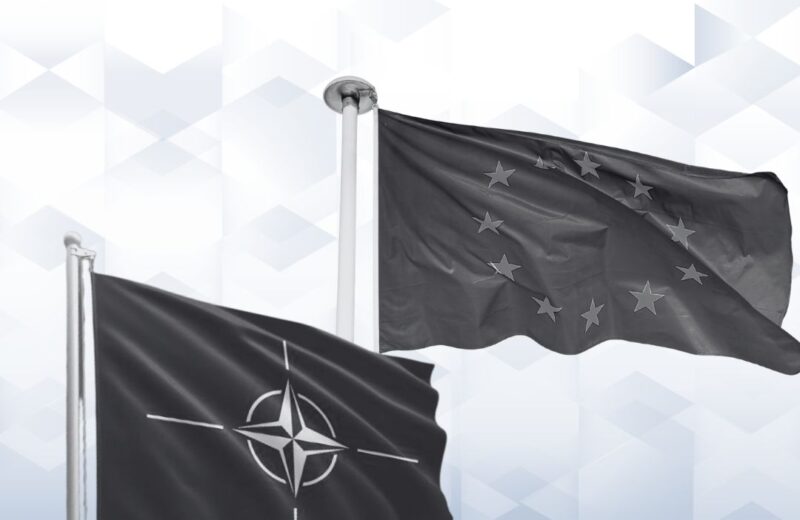
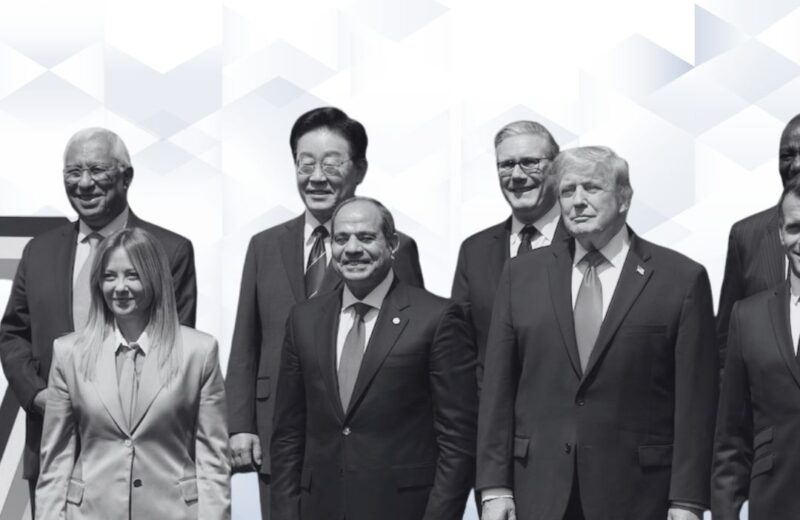
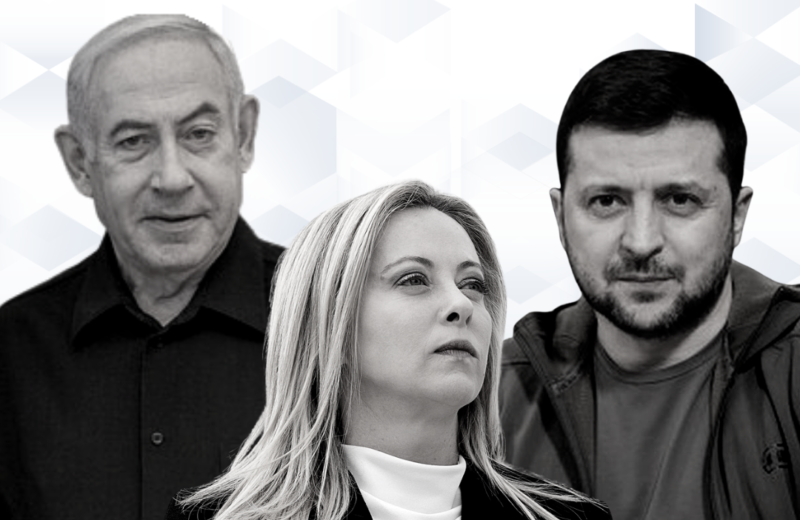
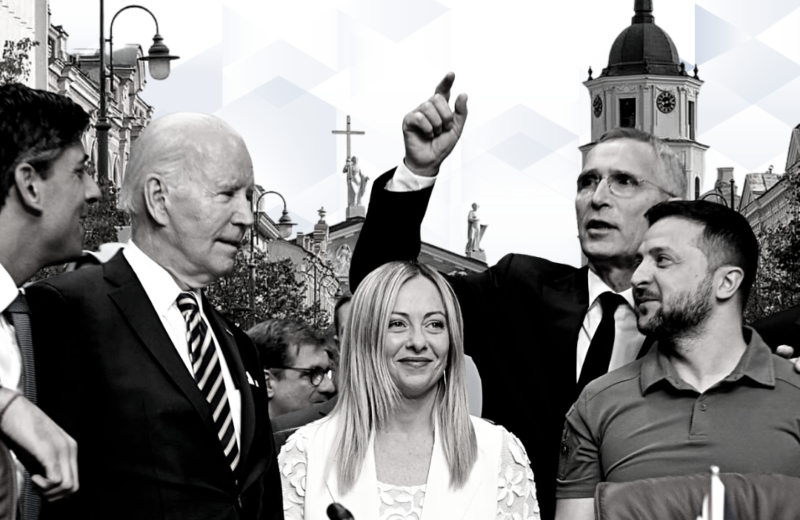
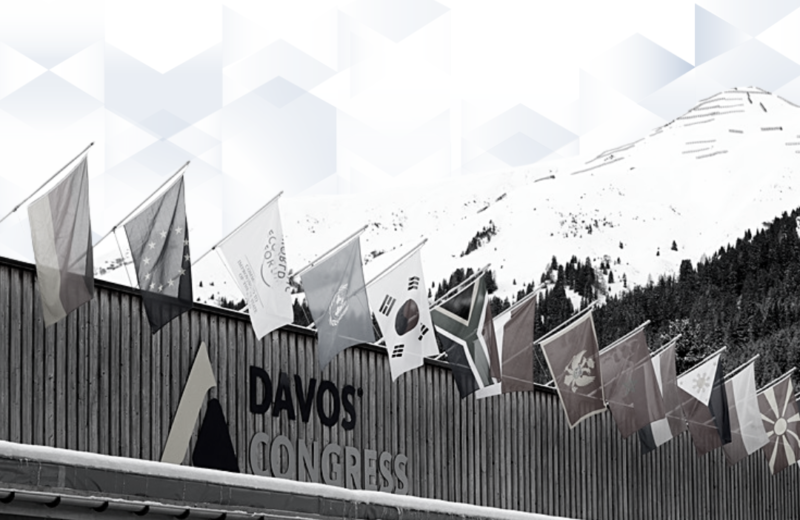
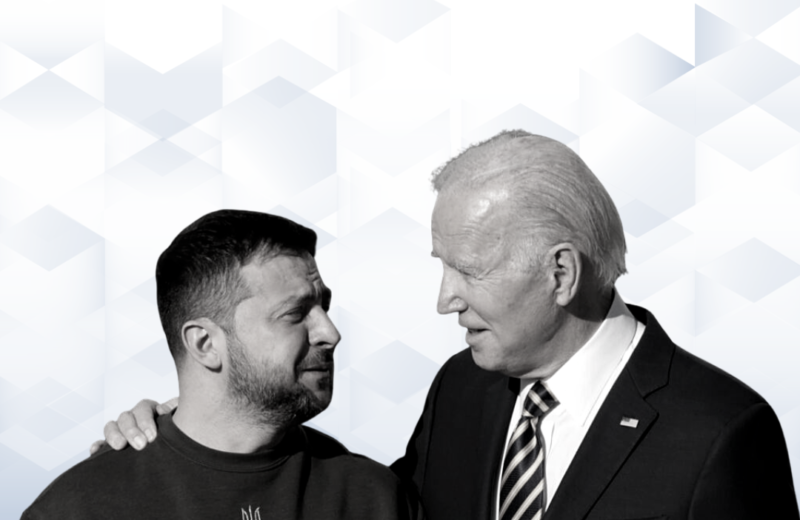
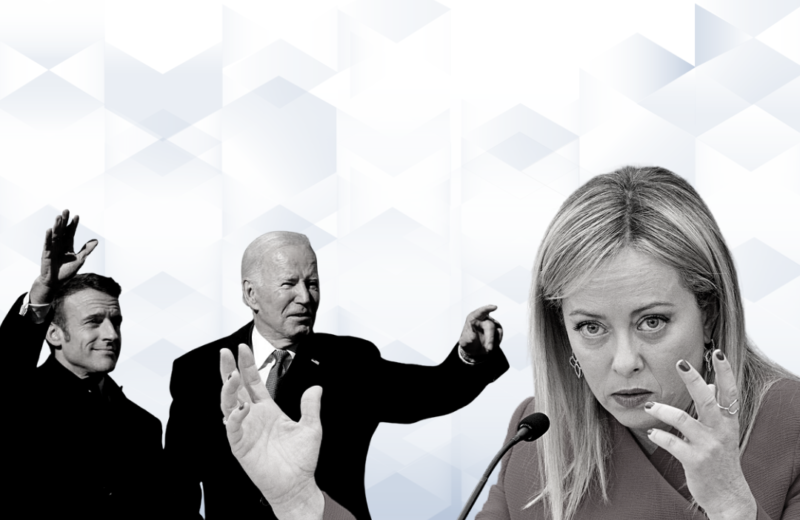
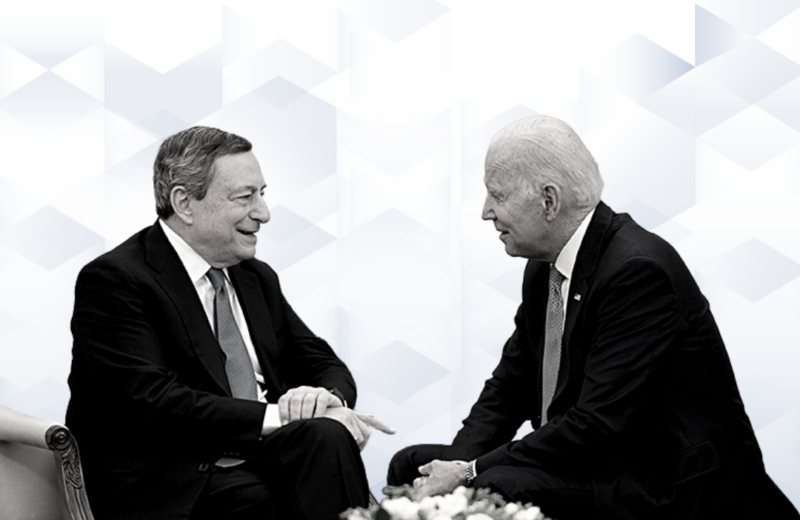
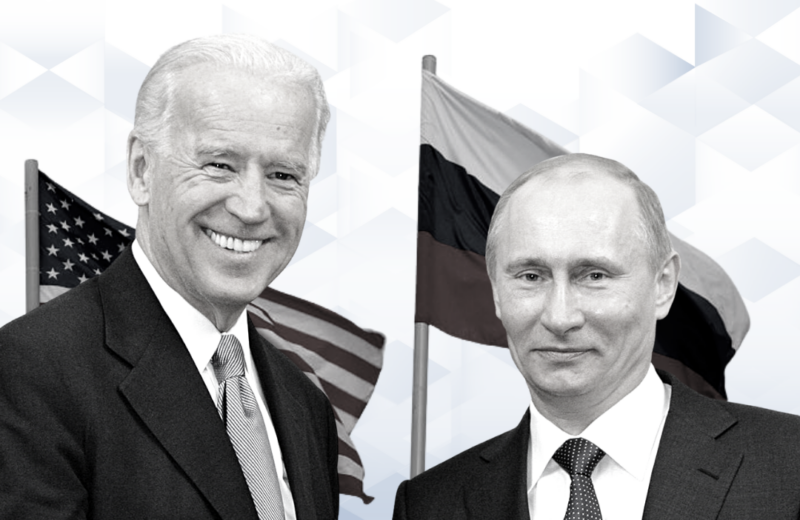
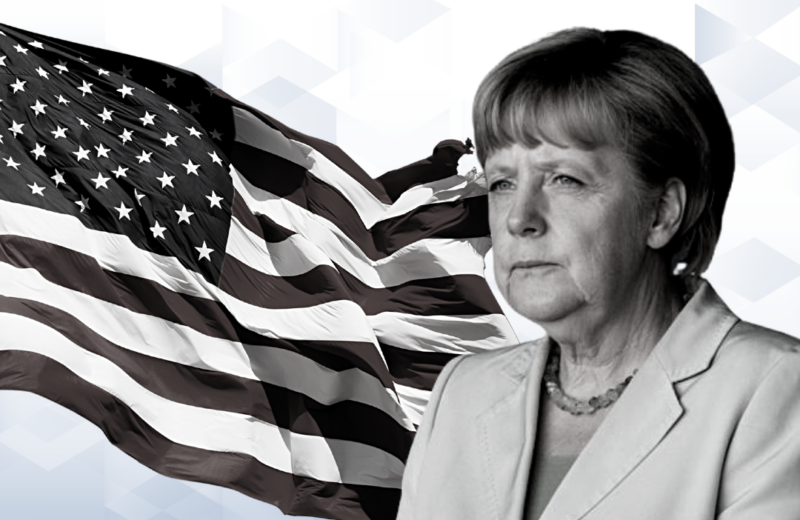
And this is where Munich enters the scene. At the Munich Security Conference, discussions focus on Ukraine, the Middle East and, above all, relations with the United States. Transatlantic tensions are not a rupture but a redefinition: Washington asks for greater European responsibility; Europe asks for greater American predictability. It is a dialogue among allies who are discovering they are less aligned than they once assumed. The umbrella remains, but the wind has shifted.
In this context, Italy is trying to position itself as a bridge. This is not historically new, but it carries different weight today. If the axis with Berlin strengthens European credibility, the presence in Munich reaffirms Atlantic anchorage. The balance is delicate: too much Europeanism risks appearing naïve; too much Atlanticism risks seeming subordinate. Politics, like Olympic sport, is ultimately a matter of calibration.