Meloni’s Budget Test Amid European Pressures and Shifting Political Alliances
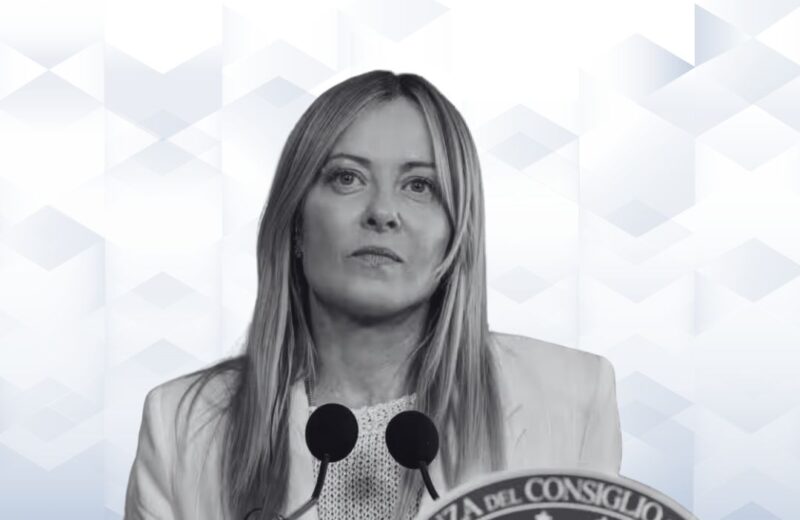
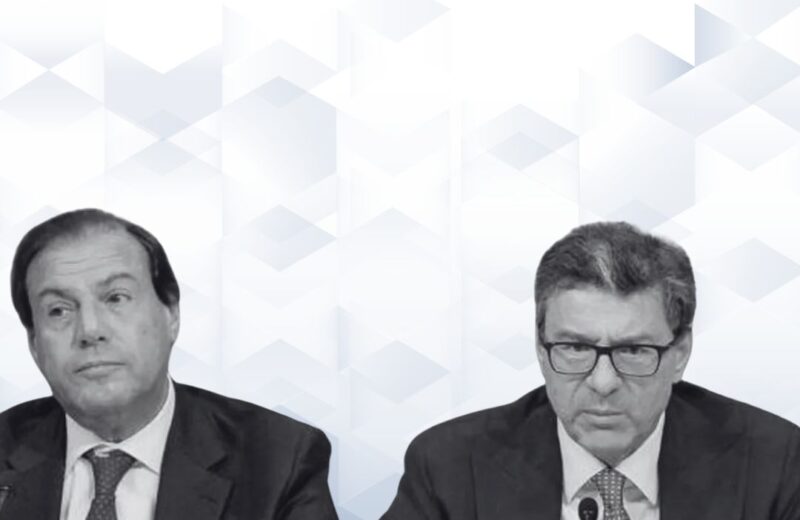
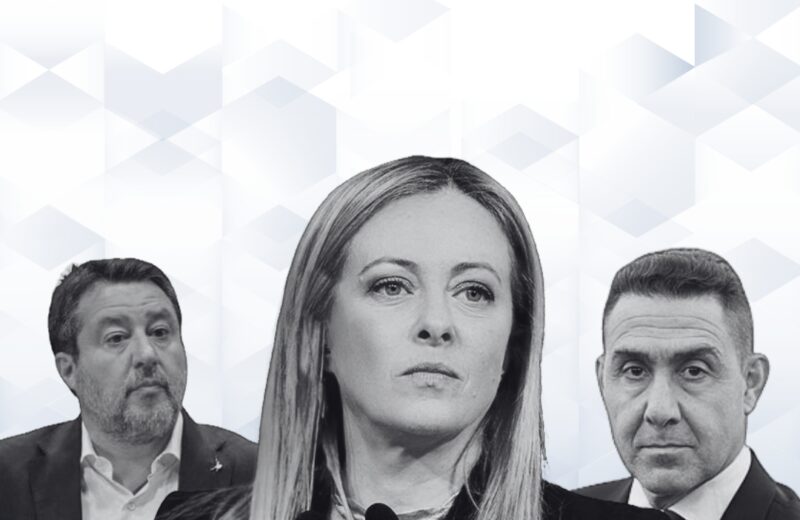
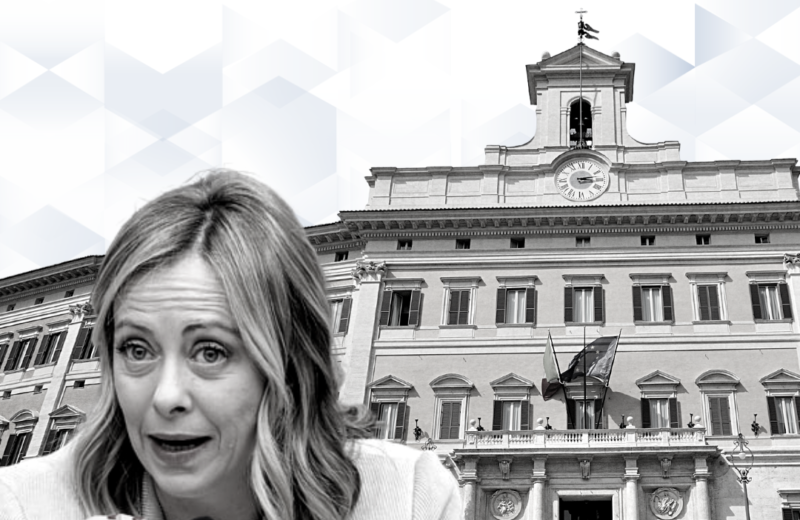
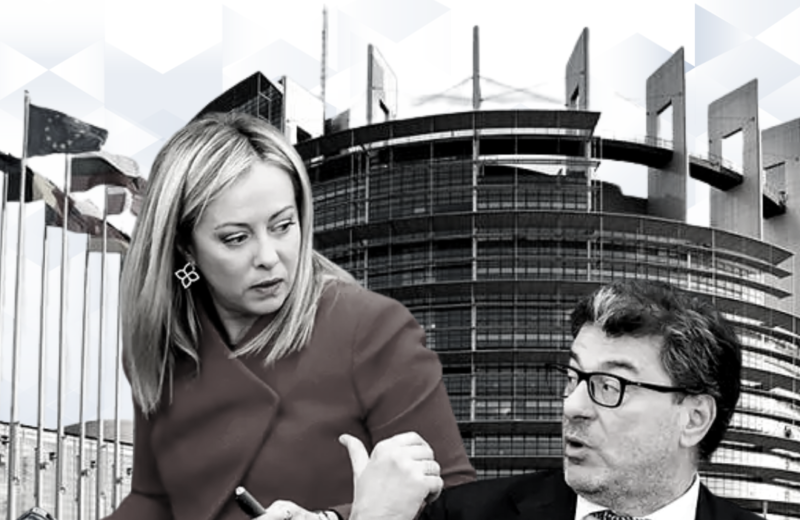
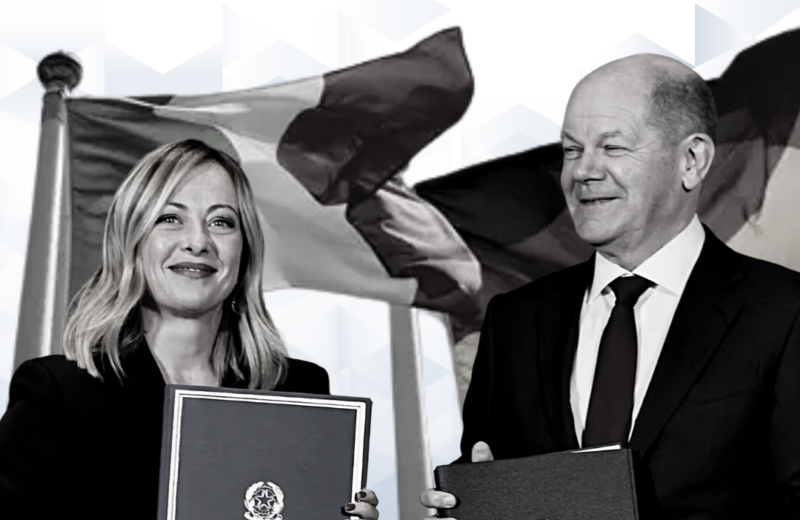
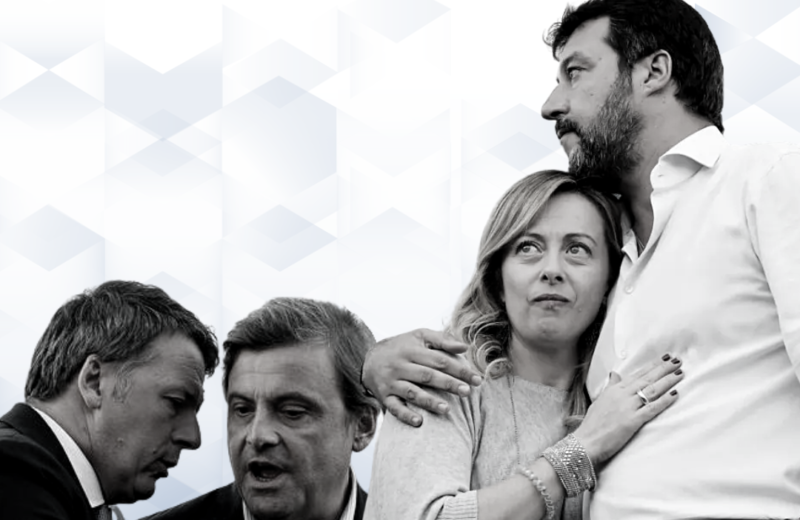
Italy’s political week was dominated by preparations for the next budget, a test of Giorgia Meloni’s ability to balance electoral promises with fiscal discipline. The Draft Budgetary Plan sent to Brussels outlines measures worth around €23.5 billion for 2027, aimed at households, businesses and investment. Funding remains the central challenge. The government wants banks and insurers to contribute approximately €5 billion, alongside spending cuts across ministries and additional revenue from gambling. The proposal has surprised financial institutions and exposed differences within the coalition, between the League’s tougher approach and Forza Italia’s more cautious stance. Economy Minister Giancarlo Giorgetti must find the necessary resources without undermining the credibility of Italy’s public finances.
The outlook is complicated by deficit forecasts of 3.4% of GDP in 2027 and 3.2% in 2028, following an expected decline below 3% this year. Rome is relying on European flexibility for spending on defence and energy security, but the Bank of Italy has warned that a renewed rise in the deficit could make it harder to exit the EU’s excessive deficit procedure. The budget therefore raises a broader political question: beyond identifying priorities, the government must show that its commitments are compatible with weak growth and European fiscal rules.
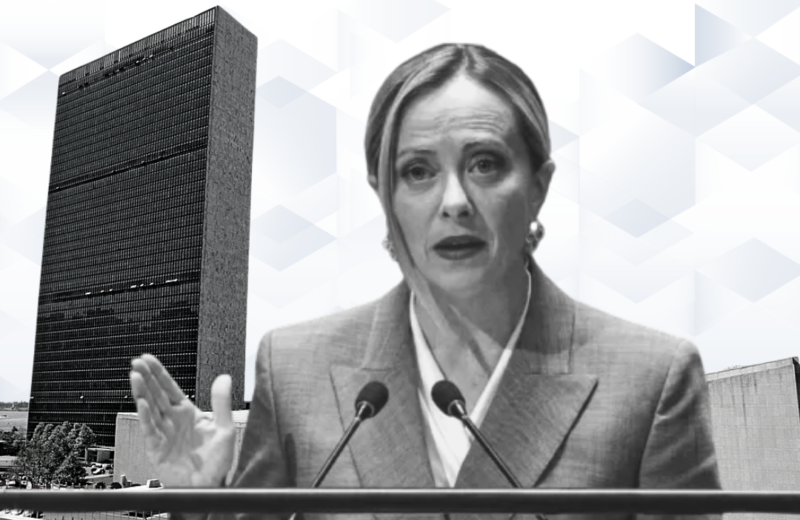
The confrontation with Brussels also shaped the European Council meeting on 15–16 October, where Meloni pressed for action on energy prices and industrial competitiveness. The most difficult negotiations concerned the EU emissions trading system, with Italy seeking adjustments to reduce the burden of carbon costs on businesses. Following lengthy talks, EU leaders asked the Commission to reassess the impact of ETS2, which covers buildings and road transport, without explicitly agreeing to postpone it. For Rome, this represents an opening rather than a clear victory. The summit highlighted the continuing difficulty of reconciling Europe’s climate transition with the competitive pressures facing its industries.
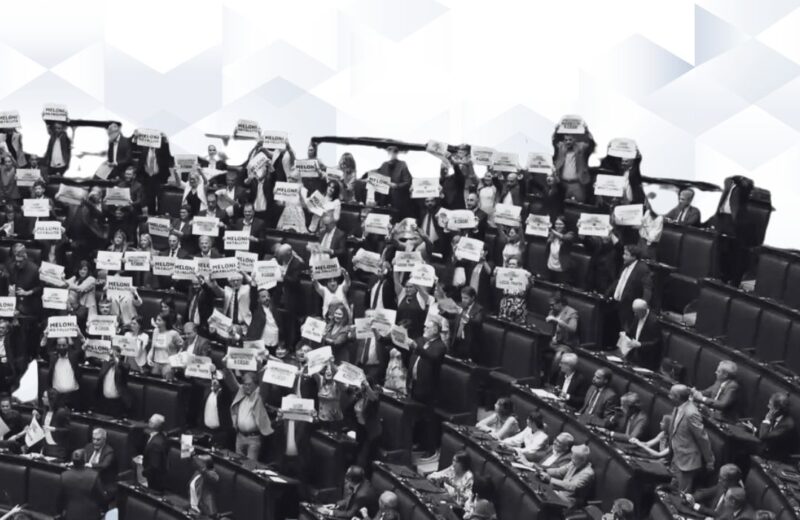
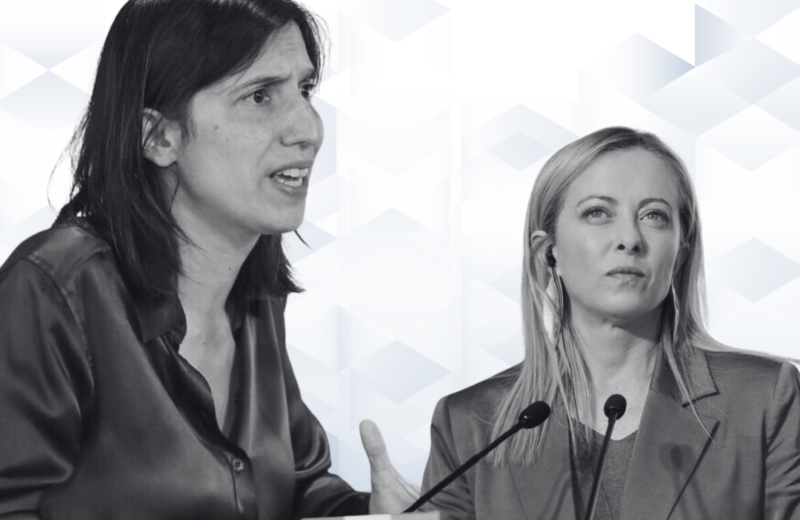
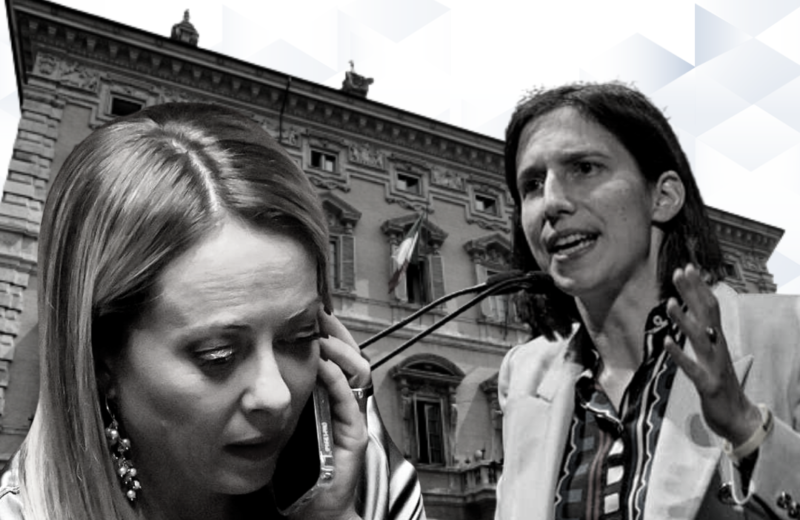
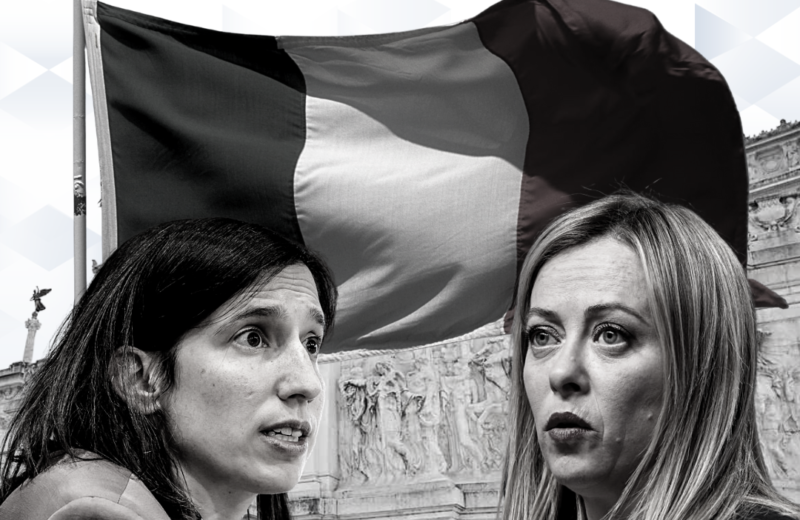
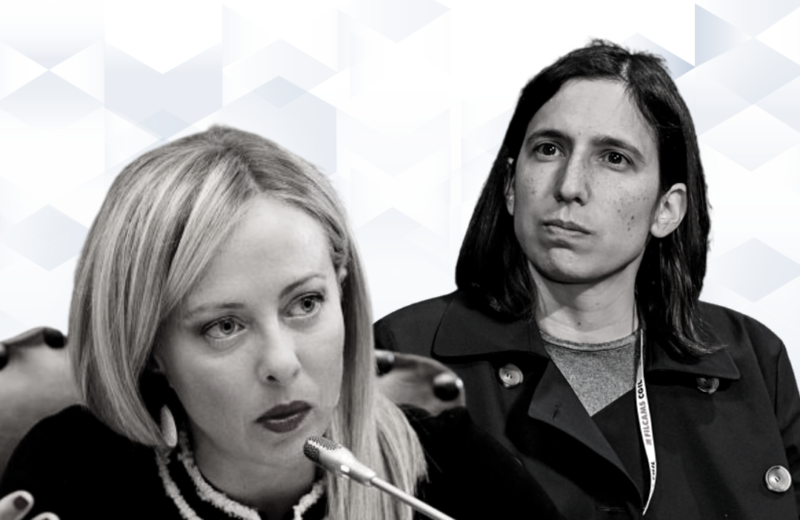
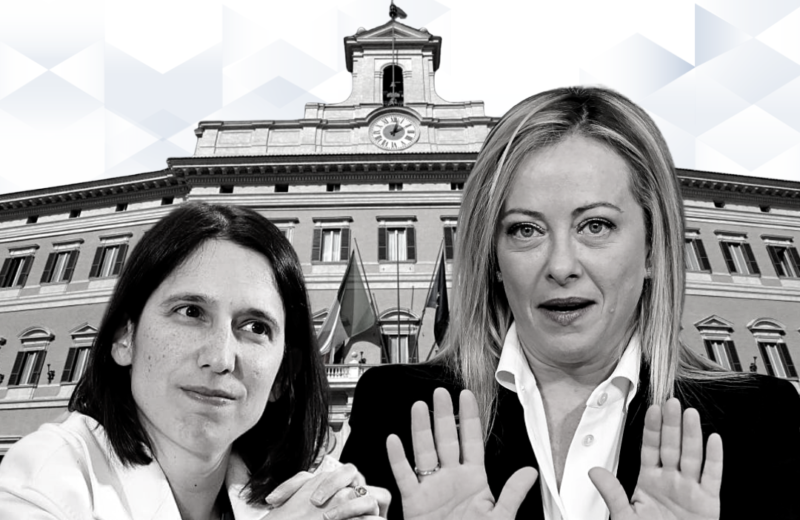
Meanwhile, a cautious rapprochement has emerged among the opposition parties: the Democratic Party, Five Star Movement and Greens and Left Alliance. During the parliamentary votes on 14 October ahead of the European summit, they maintained separate resolutions on Ukraine but chose to abstain on one another’s positions rather than vote them down. Democratic Party leader Elly Schlein described the move as progress, although substantial disagreements remain over military support for Kyiv. The gesture suggests a willingness to ease tensions, not the emergence of a common foreign-policy platform. The centre-left still faces the harder task of turning parliamentary cooperation into a credible alternative programme for government.
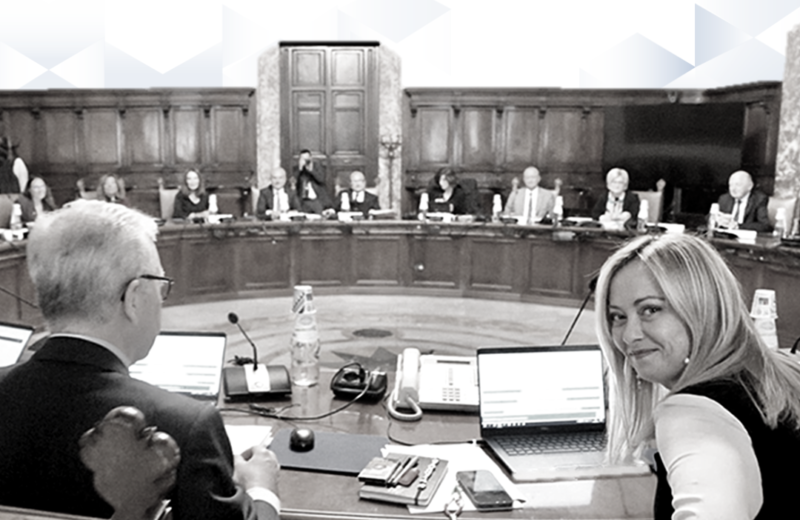
The League, by contrast, secured a more concrete result. On 13 October, the Council of Ministers approved final agreements on differentiated regional autonomy with Lombardy, Veneto, Piedmont and Liguria, clearing the way for the related bills to enter Parliament. Regional Affairs Minister Roberto Calderoli hailed progress on a reform that has long been central to his party’s identity, while opponents continue to question how the transfer of powers might affect inequalities between regions. The legislative process is far from complete, but the decision gives the League a political achievement to claim as budget constraints limit room for new spending commitments.
Italy thus enters the heart of the autumn political season with a governing coalition seeking both to protect its fiscal room for manoeuvre and advance its reforms, while the opposition attempts to build greater unity. The budget negotiations and the parliamentary battles ahead will test how durable those strategies prove to be.